
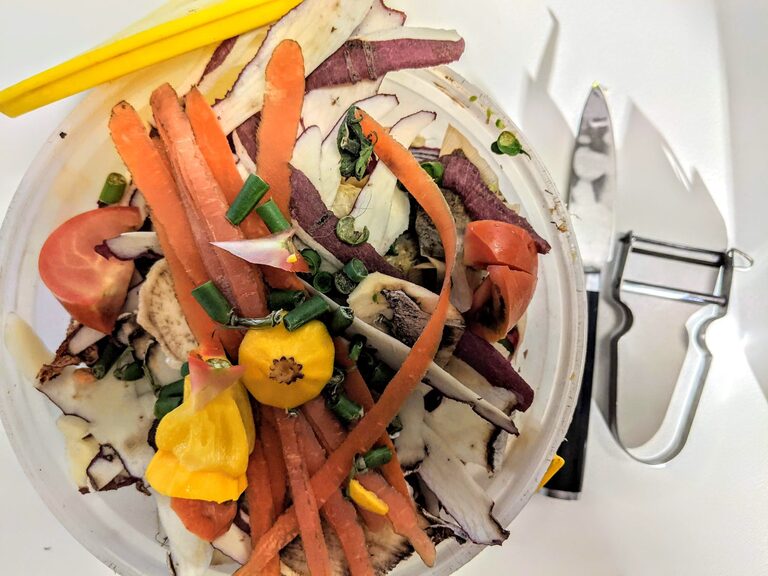
Reducing food waste at home is a simple yet impactful way to save money and contribute to a healthier planet. Each year, millions of tons of food are wasted globally, much of it from households. By adopting a few mindful habits, you can minimize waste and make the most of the food you buy. Here are some practical ways to reduce food waste right in your kitchen.
Plan Your Meals and Shop Smart
One of the best ways to avoid food waste is to plan meals ahead of time. This helps you buy only what you need and avoid impulse purchases that often go unused.
– Make a shopping list: Before heading to the store, check what you already have and list the ingredients you need for the week.
– Buy in sensible quantities: Resist the urge to buy in bulk unless you are sure you can use everything before it spoils.
– Choose versatile ingredients: Opt for foods that can be used in multiple recipes to increase the chances they will be eaten.
Store Food Properly
Proper storage extends the life of your groceries and keeps them fresh longer.
– Keep fruits and vegetables separate: Some fruits emit gases that can cause nearby veggies to ripen and spoil faster.
– Use airtight containers: Once opened, store items like cereals, nuts, and leftovers in airtight containers to preserve freshness.
– Understand refrigerator zones: Store perishable items like dairy in the coldest part, and keep fruits and vegetables in designated drawers.
Understand Food Labels
Confusing date labels often lead to unnecessary waste. Knowing the difference can help you decide when food is truly unsafe to eat.
– “Best before” vs. “Use by”: “Best before” dates indicate quality, not safety. Food is often safe to consume past this date. “Use by” dates are about safety and should be followed carefully.
– Trust your senses: Look, smell, and taste food (when safe) to determine if it’s still good.
Use Leftovers Creatively
Leftovers don’t have to be boring or wasted. Get creative to turn extra food into new meals.
– Make soups, stews, or casseroles: These dishes are perfect for combining bits of meat, veggies, and grains.
– Freeze leftovers: Store in portion-sized containers for easy meals later.
– Repurpose stale bread: Turn it into breadcrumbs, croutons, or bread pudding.
Portion Control and Serving Size
Serving too much food can lead to uneaten leftovers that eventually get tossed.
– Serve smaller portions: You can always offer seconds if needed.
– Let family members serve themselves: This allows individuals to take only what they will eat.
– Use smaller plates: It helps control the amount of food served visually.
Compost Food Scraps
Not all food scraps can be avoided, but you can keep them out of the landfill by composting.
– Start a compost bin: Use kitchen scraps like vegetable peels, coffee grounds, and eggshells.
– Check local guidelines: Some communities offer composting services or curbside pickup.
– Use compost in the garden: It enriches soil and reduces the need for chemical fertilizers.
Regularly Check Your Pantry and Fridge
It’s easy to forget what’s tucked away in your kitchen. Regularly review your food supplies to prevent spoilage.
– Organize by expiry date: Place older items at the front so they get used first.
– Keep an inventory: Note what you have to avoid overbuying.
– Rotate stock: Move recently bought items behind older ones.
Educate Your Household
Reducing food waste is easier when everyone in your home understands its importance.
– Share your goals: Talk about why you want to reduce waste and how everyone can help.
– Involve kids: Teach children about food value and ways to minimize waste.
– Make it fun: Try challenges like “waste-free week” to engage the family.
Donate Edible Food
If you have extra food that you won’t use but is still safe to eat, consider donating it.
– Check local food banks or shelters: Many accept unopened, non-perishable items.
– Share with neighbors: Swap excess produce or baked goods.
– Use apps for food sharing: Some communities have platforms to connect people with surplus food.
Final Thoughts
Reducing food waste at home might seem like a small effort, but it adds up. By planning, storing food wisely, and being creative with leftovers, you can save money and reduce your environmental impact. Start with a few changes and gradually build habits that make your kitchen more sustainable and waste-free. Your planet (and wallet) will thank you!