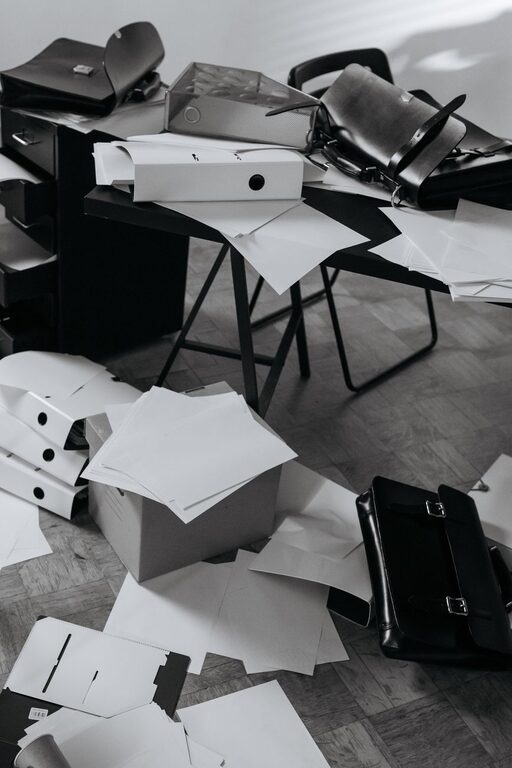
Paper clutter is a common challenge in many households. Bills, mail, school papers, receipts, and various documents can quickly pile up and create a messy environment. Reducing paper clutter not only improves the look of your home but also makes it easier to find important documents when you need them. In this post, we’ll explore simple and practical ways to reduce household paper clutter and keep your space organized.
Why Reduce Paper Clutter?
Having less paper clutter leads to a calmer living space and lower stress levels. It can also save time because you spend less time sorting through stacks of paper. Additionally, reducing paper clutter is environmentally friendly since it encourages recycling and less waste.
Start with a Paper Decluttering Session
The first step is to gather all the paper in your home and sort it into categories. Common piles include:
– Important documents (birth certificates, tax returns, warranties)
– Bills and statements
– Junk mail and advertisements
– School and children’s papers
– Receipts and invoices
– Manuals and warranties
Once sorted, toss away any unnecessary papers, shred sensitive documents you don’t need to keep, and organize the important papers.
Create a Paper Management System
Setting up a system for incoming paper helps prevent clutter from building up again. Here’s how:
Use a Designated Inbox
Place a tray or basket near your main entryway or desk where all incoming paper can be deposited. This helps keep papers from scattering around the house.
Schedule Regular Sorting
Set a weekly or biweekly schedule to go through the inbox. During this time, decide what to file, pay, or discard.
File Smartly
Use a simple filing system with clearly labeled folders or binders. Suggested folders might include:
– Bills to pay
– Paid bills/receipts
– Medical records
– Insurance documents
– School papers
Keep your filing system visible and easy to access.
Go Digital Whenever Possible
Digitizing your documents is one of the best ways to reduce paper clutter. Consider these tips:
– Scan important papers and store them on a secure cloud service or external hard drive.
– Use apps to scan receipts and store them digitally.
– Opt for e-bills and bank statements to be delivered via email.
– Read magazines, newspapers, and newsletters online instead of in print.
This reduces physical paper and makes it easy to search and retrieve documents.
Control Incoming Paper
Stopping paper clutter starts with managing what enters your home. Reduce incoming paper by:
– Calling companies to switch to electronic statements and bills.
– Opting out of junk mail and catalogs by registering with services like the Direct Marketing Association’s mail preference service.
– Unsubscribing from unnecessary newsletters and flyers.
Limiting the flow of paper saves time and effort.
Use a Command Center for Family Papers
If you have children or a busy family, create a central spot where everyone can place important papers. This can be a wall-mounted organizer or a bulletin board with sections for:
– School notices
– Calendars or schedules
– Permission slips
– To-do lists
This keeps papers organized and visible for the whole family.
Repurpose Paper Clutter
Before throwing away paper, see if it can be reused. Some ideas include:
– Use scrap paper for notes or shopping lists.
– Save wrapping paper, greeting cards, or craft paper for reuse.
– Recycle paper in your community’s recycling program.
This reduces waste and makes the most of your materials.
Maintain Your System Regularly
The key to staying on top of paper clutter is consistency. Here’s how to maintain your system:
– Stick to your sorting schedule.
– Review your filing system quarterly to remove outdated papers.
– Keep digital backups up to date.
– Encourage other family members to use the system.
Small, regular efforts prevent paper piles from taking over.
Conclusion
Reducing household paper clutter is achievable with a few simple strategies. By sorting, organizing, digitizing, and limiting incoming paper, you can create a more peaceful and functional home environment. Start small, stay consistent, and enjoy the benefits of a clutter-free space.